How Loop Structure Determines Stretch Recovery in Weft Knits
In weft knitted fabrics, yarn is interlocked horizontally across the fabric width in a series of interconnected loops. The geometry of these loops — their height, width, and the angle at which they interlock — directly governs how the fabric stretches and, more critically, how well it recovers its original dimensions after deformation. This is why two fabrics made from the same fiber can behave very differently depending on their knit structure.
Single jersey, for example, has an asymmetric loop structure that causes the fabric to curl at its edges and exhibit greater stretch in the horizontal (course) direction than the vertical (wale) direction. Interlock, by contrast, consists of two interlocked single jersey layers knitted simultaneously, which eliminates curl, stabilizes dimensions, and distributes elasticity more evenly across both axes — making it well-suited for structured garments like fitted dresses and performance tops that must maintain their silhouette under repeated stress.
Loop density — measured as courses per centimeter and wales per centimeter — also plays a decisive role. Tighter loop density increases fabric weight and reduces elongation at break, while a more open loop geometry increases drapability but may compromise shape retention. When elastane (spandex) yarn is incorporated into the loop system, it acts as a spring within each loop, dramatically improving snap-back. However, the percentage of elastane matters: fabrics with less than 5% elastane offer modest recovery, while those with 10–20% deliver the firm, compressive stretch expected of activewear and shaping garments.
Fabric Construction Choices for Activewear vs. Everyday Apparel
Selecting the right weft knit construction for a garment category is not simply a matter of weight or hand feel — it involves balancing moisture management, compression, breathability, and durability in ways that differ significantly between athletic and lifestyle applications. The table below outlines how common weft knit constructions map to end-use requirements:
| Construction |
Key Characteristics |
Best-Fit Applications |
| Single Jersey |
Lightweight, high horizontal stretch, prone to curling |
T-shirts, casual tops, liners |
| Interlock |
Smooth on both faces, stable, even stretch |
Dresses, fitted tops, loungewear |
| Scuba (Double Knit) |
Firm hand, structured drape, minimal fraying |
Skirts, outerwear, structured bodices |
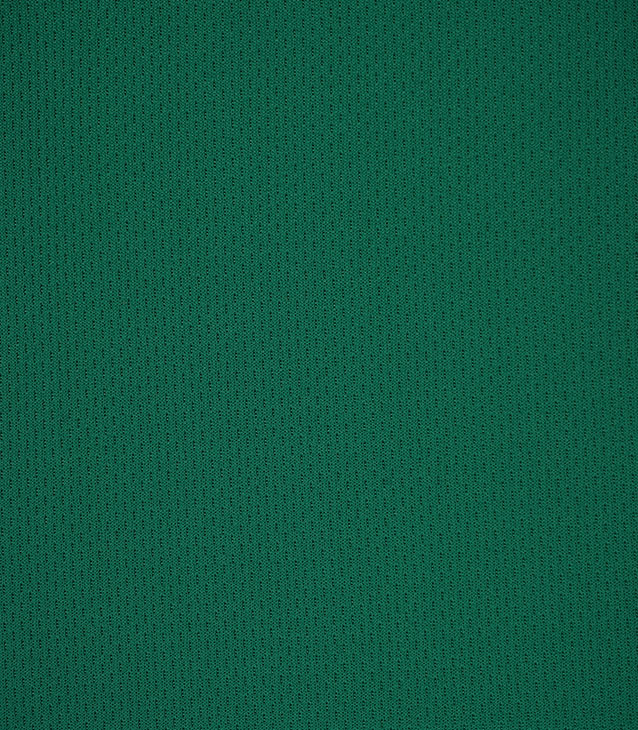
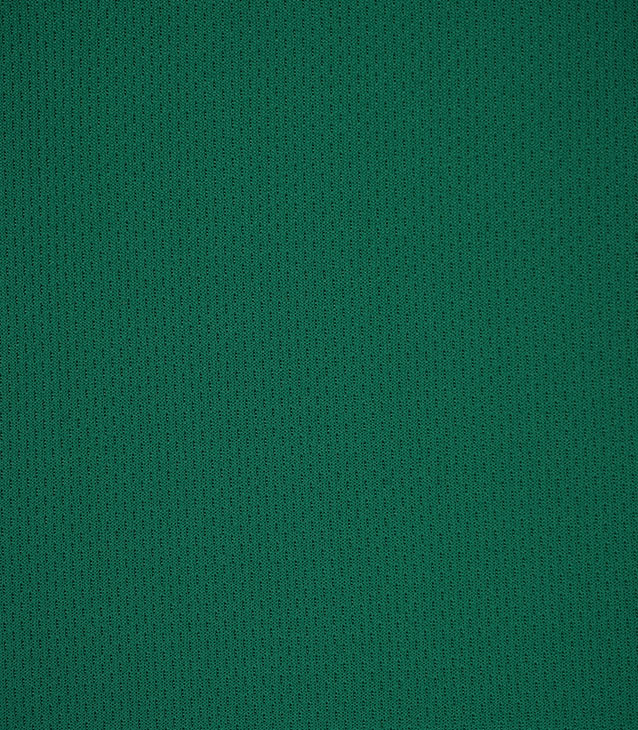
| Mesh / Open Knit |
High air permeability, lightweight, visible holes |
Sportswear panels, jerseys, base layers |
| Ponte |
Dense, stable, holds shape, medium weight |
Trousers, tailored knits, blazers |
Common weft knit constructions and their recommended end-use categories
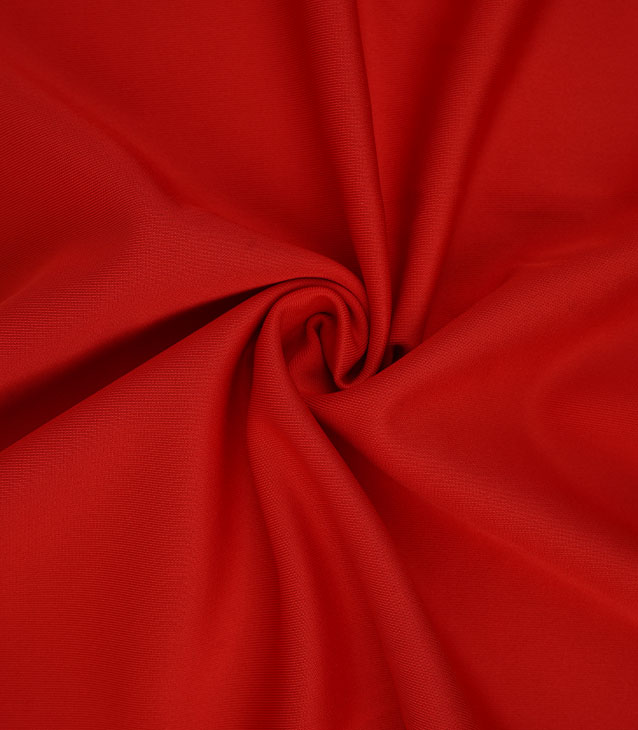
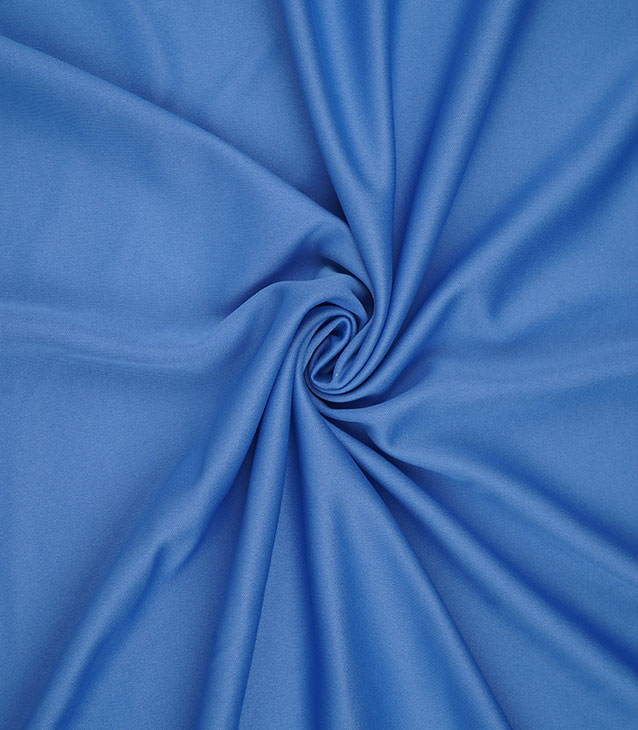
For activewear specifically, mesh panels are often engineered into high-sweat zones — underarms, back yoke, side panels — while a denser interlock or compression knit is used for the main body. This zonal approach allows designers to maximize ventilation without compromising the structural integrity of the garment. Our weft knitted fabric series supports this kind of multi-panel design by offering consistent dye affinity and shrinkage behavior across different constructions within the same product line.
Fiber Blending Strategies That Affect Long-Term Performance
The fiber composition of a weft knitted fabric has a compounding effect on performance over the garment's lifespan — not just at point of purchase. Cotton-dominant blends, for instance, provide excellent initial softness and breathability, but are susceptible to progressive shrinkage through repeated washing unless pre-shrunk via compacting or sanforizing during finishing. Polyester, on the other hand, is dimensionally stable and wicks moisture efficiently, but accumulates static charge and can retain odor-causing bacteria unless treated with antimicrobial finishes.
Common blending approaches and their practical trade-offs in weft knits include:
- Cotton / Elastane (e.g., 95/5): Retains the natural feel and breathability of cotton while adding meaningful stretch recovery. Ideal for everyday leggings and casual wear, but requires careful washing temperature control to prevent elastane degradation above 60°C.
- Polyester / Elastane (e.g., 80/20): The dominant blend in performance activewear. Offers excellent moisture-wicking, colorfastness, and shape retention under repeated high-intensity movement. Chlorine-resistant variants extend the fabric's life in swimwear applications.
- Nylon / Elastane (e.g., 78/22): Softer and more abrasion-resistant than polyester blends. Frequently used in yoga wear and compression tights where skin-contact comfort is prioritized alongside durability.
- Viscose / Polyester blends: Balances the fluid drape and moisture absorbency of viscose with the dimensional stability of polyester. Popular for dresses and knitwear that needs to flow while holding its structure.
Understanding blend ratios also informs care label requirements and end-consumer expectations around washing. A fabric that pills excessively after five wash cycles — regardless of its initial appearance — reflects poorly on the brand. Selecting blends with appropriate fiber tenacity and loop tightness is the most reliable way to prevent premature pilling in weft knitted end products.
Finishing Treatments That Expand the Functional Range of Weft Knits
The base construction of a weft knit defines its structural behavior, but finishing treatments are what expand — or restrict — its functional range for specific applications. Applied after knitting and dyeing, these treatments modify surface properties, hand feel, or environmental interaction without fundamentally altering the loop geometry of the fabric.
Moisture Management Finishes
Hydrophilic and hydrophobic finishes are often applied in combination to create a push-pull moisture transport system: a hydrophilic inner face pulls perspiration away from the skin, while a hydrophobic outer face disperses moisture for rapid evaporation. This finish is particularly effective on synthetic weft knits used in running and cycling apparel. It is worth noting, however, that these finishes are wash-durable only up to approximately 25–30 home wash cycles under normal conditions, so fabric specifications must clearly communicate expected longevity to brand partners.
Brushing and Napping
Mechanical brushing raises fiber ends from the loop surface, creating a soft, insulating layer — commonly seen in fleece-backed jersey or brushed interlock. This increases thermal retention by trapping still air close to the skin, making it appropriate for outerwear underlayers and cold-weather activewear. Over-brushing, however, weakens the loop structure and reduces pilling resistance, so the degree of napping must be calibrated against the required end-use durability.
Anti-Pilling and Surface Stabilization
Weft knits with looser loop structures or higher staple-fiber content are prone to pilling at friction points — side seams, underarms, and inner thighs. Enzyme treatments (bio-polishing) remove protruding fiber ends before finishing, significantly reducing pilling tendency without altering the fabric's color or hand. For brands building collections in the weft knitted fabric series, specifying bio-polished variants adds measurable quality differentiation, particularly in mid-to-premium market positioning where consumers judge longevity from the first wash.



 中文简体
中文简体